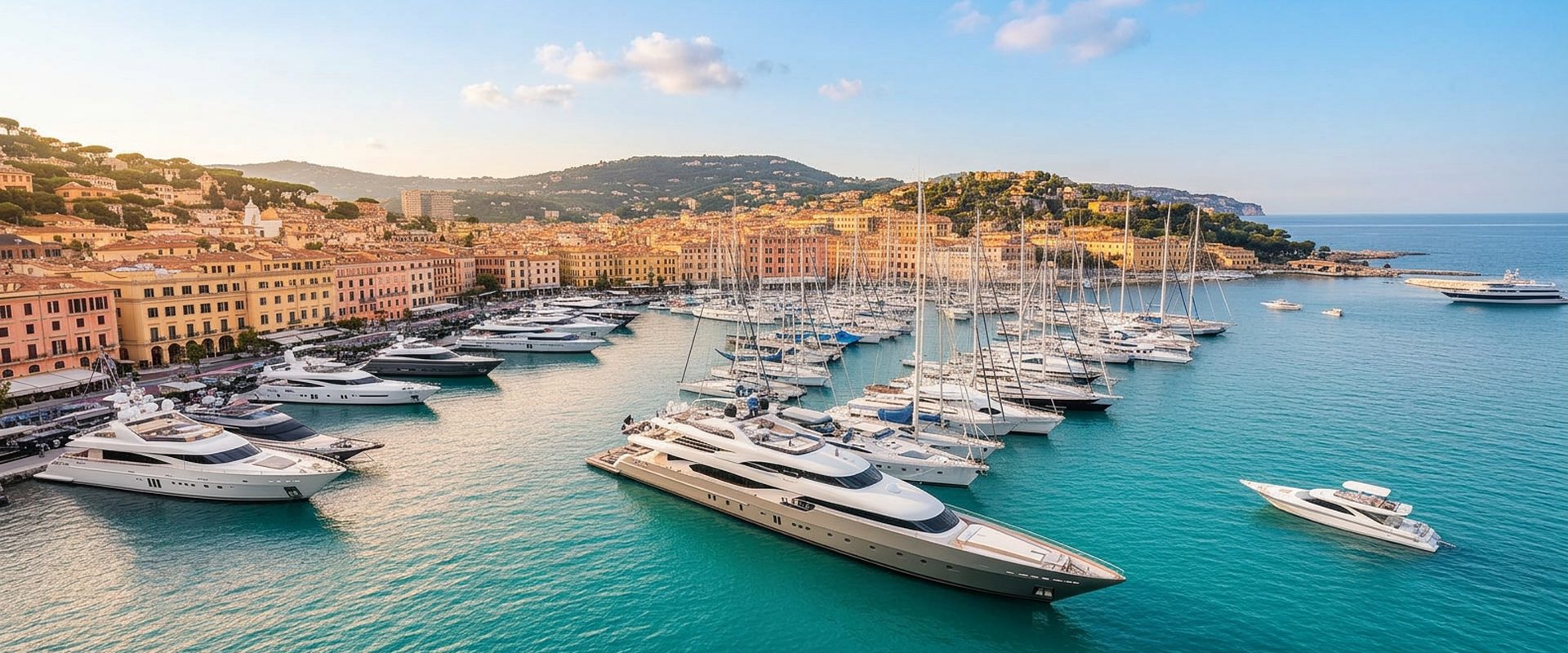
Noleggio Barca Sardegna: Complete Guide for Sailors
Everything you need to know about boat rental in Sardinia. Practical tips on skipper licenses, anchorages, and local maritime regulations for a safe holiday.
When I first sailed into the crystal-clear waters around the Maddalena Archipelago, I immediately understood why so many sailors and watersports enthusiasts head to Italy. However, proper preparation via a noleggio barca Sardegna guida completa is essential before casting off in these challenging waters. The combination of treacherous submerged rock formations and the sudden onset of the Mistral wind demands sound seamanship and local knowledge.
When searching online for a charter yacht or motorboat in Italy, you will quickly notice that local charter companies almost always advertise using terms like noleggio barca sardegna. By understanding these Italian terms and preparing thoroughly, you can make the absolute most of your Mediterranean sailing holiday. On our platform Obato, practical data shows that demand for high-quality information about boating in Southern Europe is rising sharply among experienced skippers. If you prefer to practice on local waters first with various vessel types, view our listings to find a suitable craft.
Preparation for a noleggio barca Sardegna
As an experienced boater, you know that navigating the Mediterranean places completely different demands on a crew than cruising inland lakes or sheltered coastal shallows. When embarking on a noleggio barca sardegna, selecting the right vessel type is the crucial first step. Catamarans are hugely popular here due to their shallow draft and exceptional stability in sheltered anchorages. Monohulls, on the other hand, typically offer superior sailing performance when beating upwind against brisk sea breezes.
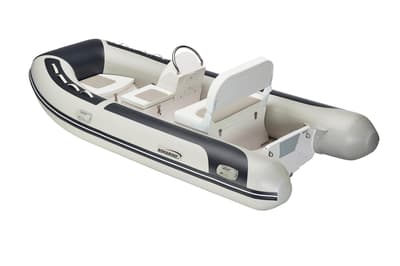
Alongside sailing yachts, many holidaymakers opt for a gommone—a sturdy RIB (Rigid Inflatable Boat) perfect for hopping between secluded beaches. For larger and more luxurious vessels, you quickly enter the yacht charter sardinia segment, which often requires a professional skipper on board. Weigh your options carefully based on your crew's experience and comfort level with tidal and offshore navigation. For more general preparation tips and checklists, read our guides on the platform.
Licensing and regulations for your barca Sardegna
Italian maritime law is strictly enforced by the Guardia Costiera, the national coast guard, which conducts frequent patrols on the water. In Italy, smaller motorboats with limited engine power can sometimes be operated without a license, provided you stay within designated coastal safety zones. However, as soon as you charter a larger sailing yacht or a vessel with higher engine output, a valid international skipper's license is strictly required.
Most European and international skippers will need an International Certificate of Competence (ICC) for Coastal Waters (or national equivalent, such as the RYA Day Skipper / Yachtmaster, or the Dutch Klein Vaarbewijs II). In addition, virtually every larger barca sardegna is required to have a marine VHF radio on board, requiring the skipper to hold a valid Short Range Certificate (SRC) or basic radio operator's license. Industry bodies also advise always checking at check-in that the charter operator has supplied all original vessel documentation and insurance certificates.
- Ensure you hold a valid ICC Coastal Waters or recognized national equivalent.
- Bring your VHF marine radio operator certificate for larger sailing and motor yachts.
- Verify the presence of mandatory safety equipment, including life jackets and distress flares.
- Observe strict speed limits in the vicinity of beaches and designated swimming zones.
The best cruising routes for a yacht charter Sardinia
Sardinia boasts an exceptionally diverse coastline, with each region offering its own unique character and nautical challenges. The northeast—renowned as the Costa Smeralda and the La Maddalena Archipelago—is by far the most famous cruising ground for a yacht charter sardinia. Here, you navigate amidst dozens of granite islands such as Caprera, Budelli, and Spargi, framed by dazzling turquoise waters. Keep in mind that this is a protected national park where sailing and anchoring permits must be purchased online in advance.
Those wishing to escape the crowds of the northern mega-marinas are better off heading south or exploring the eastern seaboard. Around Cagliari and the south-western islands of San Pietro and Sant'Antioco, you will encounter a much more authentic atmosphere and uncrowded anchorages. Along the east coast, the Gulf of Orosei provides a dramatic backdrop of towering limestone cliffs and sea caves accessible only by a barca sardegna. If you are seeking a berth or home port for your own boat before voyaging abroad, find a marina through our comprehensive directory.
Anchoring and mooring in Italian marinas
One of the biggest transitions for northern European sailors is the mooring technique used in Mediterranean harbours. Instead of mooring alongside pontoons or between pilings, you will almost universally use the Med-mooring (stern-to) technique in Sardinia. You reverse toward the quay, pass stern lines ashore, and pick up a submerged mooring line (lazy line) from the dock to secure the bow. A handy practical tip: always wear sturdy deck gloves when handling these slimy, barnacle-encrusted ground lines.
Outside of harbours, you will spend much of your time swinging at anchor or on designated mooring buoys in sheltered bays. Organizations like ICOMIA and local conservation authorities emphasize the crucial importance of protecting Posidonia oceanica seagrass, which forms the bedrock of the marine ecosystem. Dropping anchor in Posidonia beds is strictly prohibited; always look for pale sandy patches where holding is significantly better anyway. Veer ample chain and mask up to snorkel down and verify that the anchor is properly dug into the seabed.
Weather, wind, and safety on the water
Weather around Sardinia can change with alarming speed, particularly in the notorious Strait of Bonifacio between Sardinia and Corsica. The venturi effect created between these two mountainous islands often amplifies wind speeds dramatically compared to the open sea. The prevailing north-westerly wind, known locally as the Maestrale (Mistral), can blow hard for days on end, kicking up a short, steep, and uncomfortable chop. No comprehensive noleggio barca Sardegna guida completa would be complete without a serious warning about this meteorological phenomenon.
Check maritime VHF forecasts and reliable weather apps every morning prior to departure, and adjust your passage plan immediately if heavy weather approaches. Thorough preparation and wearing lifejackets save lives at sea. When taking delivery of your barca sardegna, ask during check-in where all emergency gear, fire extinguishers, and seacocks are located. If in doubt about deteriorating conditions, stay safely in port or seek out a well-protected bay on the lee side of the island well in advance.
Costs and ancillary expenses when chartering a boat
When comparing quotes for a noleggio barca sardegna, it is important to look beyond the base charter fee. In peak summer season, rates for both boat rental and overnight marina berths are significantly higher than in the shoulder seasons. Especially along the glamorous Costa Smeralda, marina fees in renowned ports such as Porto Cervo or Porto Rotondo can be steep. Consequently, many skippers choose to spend most nights at anchor, entering a marina only every few days to take on fresh water and provisions.
Industry associations recommend establishing clear written terms regarding the security deposit, insurance coverage, and mandatory extras before departure. Standard extras typically include transit logs, end cleaning, bed linen, outboard motors for the dinghy, and marine park permits. Do not overlook fuel costs: you generally receive the boat with a full tank and must return it refuelled at the marina fuel dock at the conclusion of your charter.
- Factor in mandatory fees for end cleaning and linen packages.
- Budget for marine park access and cruising permits, such as in La Maddalena.
- Check the security deposit deductible and consider charter deposit insurance.
- Plan your final refuelling run well in advance to avoid long queues at the fuel dock.
Are you a commercial charter operator, yacht broker, or marine service provider? Obato is currently offering an introductory 50% discount on the Service Provider Profile. Normally €120 per year excl. VAT, you now pay just €60 for your first year, which includes an AI-enhanced business profile, premier search visibility, and direct access to high-value leads. Sign up easily via our service provider registration form, or place a listing if you wish to sell or charter out a boat directly.
Frequently Asked Questions
Do I need a boat license for a noleggio barca Sardegna?
For small motorboats and dinghies with low engine power, you generally do not need a license in Italy. However, as soon as you rent a larger motor vessel or sailing yacht, a valid International Certificate of Competence (ICC Coastal Waters) or recognized national skipper's license is mandatory. In addition, boats equipped with a marine VHF require at least one crew member to hold a valid radio operator's certificate.
When is the best time for a yacht charter Sardinia?
Late spring (May–June) and early autumn (September–October) are ideal for sailors seeking pleasant temperatures, reliable sailing breezes, and quiet anchorages. In peak summer (July–August), water temperatures are warm and conditions are sunny, but popular bays are crowded and marina berths carry premium prices. Outside peak season, you will often have the finest anchorages virtually to yourself.
Can you drop anchor anywhere around Sardinia?
No, free anchoring is strictly regulated around the island to preserve sensitive marine habitats. In marine reserves such as the La Maddalena National Park, strict rules apply, permits are required, and boats must often tie up to designated mooring buoys. Furthermore, it is strictly forbidden everywhere to anchor in protected Posidonia seagrass meadows.
How do I handle the Mistral wind while sailing?
The Mistral (Maestrale) is a forceful north-westerly wind that builds quickly and generates steep seas, especially in the Strait of Bonifacio. Monitor maritime weather forecasts daily and alter your itinerary as soon as gale-force winds are predicted. Seek a secure marina or drop anchor well ahead of time in a sheltered bay on the leeward (eastern or southern) side of the islands.
What documents must I bring when chartering a boat?
Always bring your original physical skipper's license (showing ICC credentials), your VHF radio certificate, and a valid passport or national ID card to the base. Additionally, you will almost certainly need a credit card in the primary charterer's name to authorize the security deposit. Bringing a printed copy of your charter confirmation and completed crew list will help speed up the check-in process.
Conclusion: Getting ready for your sailing holiday
A cruise aboard a sailing yacht or motorboat along the coast of Sardinia is an unforgettable experience for any passionate boater, provided you arrive thoroughly prepared. Equipped with the insights from this noleggio barca Sardegna guida completa, you know exactly what to consider regarding certifications, local anchoring regulations, and challenging weather patterns. Whether you plan an active sailing trip across the archipelago or a relaxing week on a motor cruiser, safe and enjoyable boating begins with sound preparation.
Looking to gain hands-on experience on different vessels or ready to acquire your own dream yacht? Obato connects boaters, yacht owners, and maritime professionals on one seamless platform. View our listings of available boats, expand your nautical knowledge through our extensive advice & guides, and set course for your next sailing adventure.
Gerelateerde artikelen
Vaarbewijs nodig? Complete Gids Klein Vaarbewijs 1 en 2
Wanneer heb je een vaarbewijs nodig in Nederland? Lees alles over Klein Vaarbewijs 1 en 2, de vaarregels en boetes voor varen zonder geldig bewijs.
Location bateau Côte d'Azur guide complet voor zeilers
Alles over een boot huren aan de Franse Rivièra. Van vaarbewijzen en ankerregels tot de mooiste baaien rondom Nice, Cannes en Antibes.
Antifouling Kiezen en Aanbrengen: Schoon Onderwaterschip
Alles over antifouling kiezen en aanbrengen. Ontdek het verschil tussen harde en zelfslijpende antifouling en houd het onderwaterschip van je boot schoon.
Boten bij dit onderwerp

Meer over dit onderwerp
Location bateau Brittany guide complet
Ontdek onze uitgebreide gids voor bootverhuur in Bretagne en zeilen langs de Atlantische kust.
Boot kopen particulier: De complete gids voor 2026
Een tweedehands boot kopen van een particulier? Lees onze complete gids met checklist en tips. Voorkom miskopen en vind jouw droomboot!
Vaarbewijs nodig? De Complete Gids voor Nederland
Twijfel je of je een vaarbewijs nodig hebt? Lees alles over lengte, snelheid, Klein Vaarbewijs 1 en 2, en voorkom hoge boetes op het water.
