Need a Boat License? Rules for Dutch KVB 1, 2 & Documents
When do you need a boating license in Dutch waters? Learn all about the difference between Klein Vaarbewijs 1 and 2, fast motorboats, and mandatory documents.
When I first took the helm of a sizeable console boat on the Frisian lakes, I immediately noticed how much peace of mind good preparation brings. Many novice skippers only wonder when they actually need a boat license in the Netherlands once they are standing on the jetty. The answer doesn't depend on your boat's displacement or the horsepower on the engine cowl, but purely on its overall length and maximum achievable speed on the water.
According to guidelines from Rijkswaterstaat and the CBR, strict thresholds determine whether you can head onto the water without paperwork. Cruising through the canals in a small, slow day cruiser (sloep) generally doesn't require a boating license, but with a nimble inflatable boat fitted with a powerful outboard engine, the situation is completely different. On the Obato platform, we often see buyers browsing our selection of boats who are surprised by how quickly a lightweight vessel requires a license.
When Do You Need a Boating License on Dutch Waters?
To determine exactly whether you need a boating license, enforcement agencies like the water police and Rijkswaterstaat apply two firm criteria for pleasure craft. The first criterion considers hull length, and the second assesses the top speed the boat-and-engine combination can reach. As soon as your vessel meets either of these conditions, the skipper must hold a valid Klein Vaarbewijs (small boat license).
According to the CBR and the Watersportverbond (Dutch Watersport Association), a vessel requires a license for recreational use in the following situations:
- The pleasure craft has a length from 15 metres up to 25 metres, regardless of whether it is a sailing yacht or a slow-moving motor cruiser.
- The motorboat, personal watercraft (jet ski/PWC), or motorized tender can travel faster than 20 kilometres per hour through the water, regardless of how short the hull is.
- Certain larger vessels used commercially or specific vessel categories fall under stricter regulations requiring a Groot Pleziervaartbewijs (large pleasure craft license).
As an experienced boater, I always point out a common misconception regarding that 20 km/h speed threshold. Under Dutch maritime law, it is not about how fast you are actually cruising at that given moment, but about how fast the boat can technically go. Even if you are idling at walking speed through a nature reserve in a heavily powered tender, you still legally require a boating license for that setup.
Difference Between Klein Vaarbewijs 1 and 2 and Cruising Areas Explained
Once it is established that your boat requires a license, you face the choice of which qualification suits your plans. The difference between Klein Vaarbewijs 1 and 2 is entirely based on the permitted navigation area where you may skipper a license-mandated vessel. The CBR administers two separate theoretical exams, where Part 2 builds upon the foundational knowledge of Part 1.
Where Can You Cruise with Klein Vaarbewijs 1?
With Klein Vaarbewijs 1 (KVB1), you are permitted to navigate Dutch rivers, canals, and smaller lakes, such as the Frisian lakes, the Loosdrechtse Plassen, and the Meuse (Maas). During my own Part 1 exam, the focus was heavily on the Inland Navigation Police Regulations (BPR), right-of-way rules between commercial and recreational traffic, buoyage, and safety procedures. For most day cruisers and water-skiers staying on inland waters, this document is more than sufficient.
When Should You Choose Klein Vaarbewijs 2?
The difference between Klein Vaarbewijs 1 and 2 becomes truly noticeable once you pass through the locks onto open coastal waters. With Klein Vaarbewijs 2 (KVB2), you are permitted to cruise not only on inland waterways but also on expansive waters: the IJsselmeer, Markermeer, IJmeer, Wadden Sea, Ems, Dollard, and the Eastern and Western Scheldt. For this license, the CBR tests you on course plotting, tides, currents, and meteorology. If you choose a marina on the IJsselmeer as your home port for a fast cruiser, this comprehensive license is therefore mandatory.
Fast Motorboat Regulations and Mandatory RDW Registration
Operating a vessel capable of speeds over 20 kilometres per hour involves more than just holding the required CBR license card. Dutch fast motorboat regulations dictate that both the operator and the craft itself must satisfy additional requirements. Out on the water, I regularly see young operators in small dinghies with large outboards who fail to realize that, under the law, their tender is classified as a fast motorboat.
According to the RDW (Netherlands Vehicle Authority) and Rijkswaterstaat, the following essential requirements apply to every fast motorboat:
- The operator must be at least 18 years of age and hold at least a Klein Vaarbewijs 1.
- The boat must be officially registered with the RDW, and the assigned registration number (Y-number) must be affixed clearly visible on both sides of the hull.
- While underway, the skipper must wear a properly functioning kill cord (dead man's switch) or use an equivalent cutoff system that instantly shuts down the engine should the operator fall from the helm.
RDW registration is a crucial step that must be arranged immediately when buying or selling a used speedboat or PWC. When private owners or boat dealers list an advertisement on Obato for a fast RIB or sports boat, we always advise checking the registration certificate status beforehand. Without an official ownership transfer and visible registration markings, you face an immediate fine during water patrol checks.
Mandatory Boat Equipment and Onboard Safety
Beyond having the proper paperwork, the water police strictly inspect mandatory safety equipment, especially on fast craft or larger vessels. Through my conversations with KNRM life rescue crews, it becomes clear time and again that distress situations on the water rarely stem from one single mistake, but rather from missing basic safety gear. The law outlines a clear baseline, but a prudent skipper looks beyond what is strictly required to avoid a fine.
For a fast motorboat, a certified life jacket for every person on board and an inspected fire extinguisher are legally required under Rijkswaterstaat and ANWB guidelines. During a check, ensure that life jackets are readily accessible and not tucked away deep inside a locked storage compartment. The fire extinguisher must also display a valid inspection tag and match your boat's fuel type and engine output.
Furthermore, an operable sound signalling appliance (such as a ship's horn) and proper navigation lights for low visibility or night cruising form part of the standard mandatory boat equipment. The Watersportverbond and the KNRM also strongly advise carrying a suitable anchor with sufficient rode, a paddle or boat hook, a first-aid kit, and a VHF radio or waterproofed mobile phone on open waters. To learn more about getting your craft shipshape for the season, visit our advice & guides page for practical checklists.
Which Ship's Documents Must Be Kept on Board?
A well-outfitted vessel is not complete without the proper documentation stored in the cabin or console glove box. During a spot check, enforcement officers are authorized to inspect several documents certifying your competence as a skipper and confirming the boat complies with statutory regulations. I personally keep all my vessel papers in a waterproof document pouch on board, so I never have to search for them at a lock or out on the lake.
Depending on your vessel and navigation area, the following onboard documents must be physically present (or digitally where explicitly permitted by law):
- The original Klein Vaarbewijs 1 or 2 (or Groot Pleziervaartbewijs) issued in the skipper's name, accompanied by a valid ID.
- The official RDW registration certificate issued in the current owner's name when operating a fast motorboat or personal watercraft.
- An up-to-date printed copy or digital edition of the Inland Navigation Police Regulations (BPR) for the waterway you are cruising.
- An operator's certificate (such as the Short Range Certificate / Marine Radio Operator Certificate) and the ship station radio licence if a VHF radio is installed on board.
- When travelling abroad or navigating international waters: an International Certificate for Pleasure Craft (ICP) issued via the Watersportverbond, alongside proof of VAT-paid status for the vessel.
Recreational skippers frequently overlook the BPR carriage requirement. Fortunately, enforcement authorities such as Rijkswaterstaat now permit consulting the BPR digitally on a smartphone or tablet, provided your battery is charged and the offline document can be presented immediately during an inspection.
Practical Preparation for Your Exam and the Boating Season
If you determine that you need a boating license for your ideal craft, preparing well in advance is essential. The theoretical exams at the CBR require a solid understanding of right-of-way scenarios, navigation lights, sound signals, and emergency manoeuvres. In practice, I find that boaters who combine their study books with practical helm training at a HISWA- or CWO-recognized boating school enter crowded marinas with significantly greater confidence.
For yacht brokers, sailing schools, and marine maintenance facilities helping boaters with this preparation, online reach is key. Obato is currently offering marine service providers an introductory 50% discount on the Service Provider Profile: instead of the regular fee of €120 per year excl. VAT, you pay just €60 for your first year. This includes an AI-enhanced business profile, premier placement in search listings, and targeted customer inquiries from boat owners; registration is quick and easy at /diensten/aanmelden.
For recreational skippers, thorough preparation is half the battle before casting off lines. Well before the first sunny spring day, verify your RDW boat registration, inspect your life jackets, and decide which cruising grounds you plan to explore. This prevents unwanted surprises during water checks and keeps the waterways safe for everyone.
Frequently Asked Questions
When do you need a boat license for a launch (sloep) or motorboat?
You need a boating license as soon as your launch or motorboat has an overall length of 15 metres or more, or whenever the vessel is capable of speeds exceeding 20 kilometres per hour with its fitted engine. If the boat is shorter than 15 metres and has a maximum speed below 20 km/h, you can operate it in the Netherlands without a license.
What is the difference between Klein Vaarbewijs 1 and 2?
The difference between Klein Vaarbewijs 1 and 2 lies in the permitted cruising grounds for license-mandated vessels. Klein Vaarbewijs 1 covers rivers, canals, and smaller inland lakes, whereas Klein Vaarbewijs 2 also unlocks expansive open waters, including the IJsselmeer, Markermeer, Wadden Sea, and the Eastern and Western Scheldt.
Can someone under 18 operate a fast motorboat?
No. Under Dutch fast motorboat regulations, the operator of any vessel capable of speeds over 20 kilometres per hour must be at least 18 years old and hold a valid boating license. Individuals under 18 may operate smaller craft that cannot exceed 20 km/h, subject to statutory age limits for specific craft types.
What mandatory equipment must be on board a fast motorboat?
A fast motorboat must carry readily accessible, certified life jackets for every person on board, an approved fire extinguisher, and a functioning kill cord for the skipper. In addition, the boat must hold a valid RDW registration certificate, display visible registration numbers on the hull, and have a consultable copy of the Inland Navigation Police Regulations (BPR).
Is an International Certificate for Pleasure Craft (ICP) the same as a boat license?
No. An ICP (issued by bodies like the Watersportverbond) is an official ownership and nationality document for the boat itself, frequently requested when cruising abroad. It does not replace the personal Klein Vaarbewijs (or ICC - International Certificate of Competence) obtained through the CBR to demonstrate your qualification to skipper a vessel.
Conclusion: Heading onto the Water Prepared with the Right Papers
Knowing when you need a boat license not only saves you steep fines, but above all provides confidence and calm at the helm. Whether you choose a relaxed journey along inland waterways with Klein Vaarbewijs 1 or plan an open-water crossing on the IJsselmeer with Klein Vaarbewijs 2: make sure your theoretical knowledge, mandatory gear, and onboard papers are always in order. Ready to find the right craft to match your experience and licensing? Explore our current selection of boats on Obato or read further on our advice & guides page.
Gerelateerde artikelen
Antifouling aanbrengen: Keuze, voorbereiding en stappenplan
Alles over antifouling: kies tussen harde of zelfslijpende antifouling, ontdek het juiste voorwerk en leer zelf je onderwaterschip schilderen.
Location bateau Côte d'Azur guide complet voor Nederlanders
Alles over bootverhuur aan de Franse Rivièra. Van vaarbewijzen tot de beste routes rond Nice en Cannes in deze praktische gids voor Nederlandse watersporters.
Vaarbewijs nodig? Complete Gids Klein Vaarbewijs 1 en 2
Wanneer heb je een vaarbewijs nodig in Nederland? Lees alles over Klein Vaarbewijs 1 en 2, de vaarregels en boetes voor varen zonder geldig bewijs.
Boten bij dit onderwerp
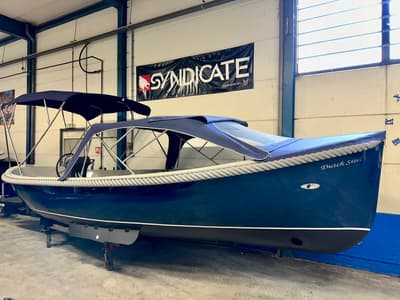
Dutch Steel Sloep 740 1980 – volledig gerestaureerd
€ 49.800

VanDutch 40 2009 – Frank Mulder Design met 520pk
€ 259.500

Linssen 380 Dutch Sturdy AC Twin 2002 – Stalen tweemotorige cruiser
€ 200.000
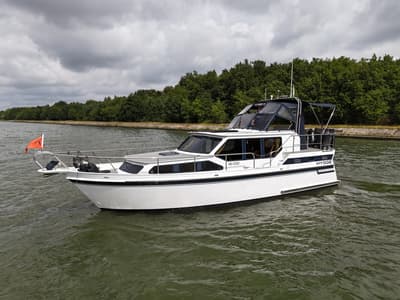
Gruno 35 S Compact 1998 – Stalen verdrongen romp met doorvaarthoogte 2,65 m
€ 97.500
