
Choosing and Applying Antifouling: Keeping Your Boat's Hull Clean
Everything you need to know about choosing and applying antifouling. Discover the difference between hard and self-polishing antifouling and keep your boat's hull clean.
When I walk past the boat sheds in spring, I immediately catch that familiar scent of sanding dust and fresh paint. As an experienced boater, I know that a well-maintained hull makes all the difference between cutting smoothly through the water and burning unnecessary fuel due to heavy fouling. A clean underwater hull not only improves handling and speed, but also protects the substrate against long-term damage.
Successfully applying antifouling starts with choosing the right product for your cruising area and boat type. In this comprehensive guide, I share my hands-on experience with hull preparation, choosing between different types of paint, and the best practices on the hard. If you want to learn even more about boat maintenance, read our guides on the platform for additional tips.
Why painting your boat's underwater hull is essential
As soon as a boat sits in the water, microorganisms, algae, slime, and barnacles attach themselves to the hull. This biofouling causes tremendous drag while cruising. When I once took over a launch whose previous owner had neglected maintenance, I immediately noticed the engine struggling to reach cruising speed and the sluggish handling when mooring.
Painting your boat's hull with a suitable protective coating prevents these organisms from adhering. According to organizations like the ANWB and the Watersportverbond, a smooth hull directly contributes to lower fuel consumption on motorboats and better sailing performance on yachts. Moreover, it prevents tube worms and barnacles from damaging the underlying primer or gelcoat, saving costly yard repairs.
How self-polishing antifouling works and its benefits
For most recreational sailboats, launches, and displacement motor yachts, self-polishing antifouling (ablative paint) is the most popular choice. This type of paint works because the outer layer slowly dissolves and wears away with the friction of water flowing past the hull. This continuously exposes a fresh, active surface that prevents algae and barnacles from gaining a foothold.
A major practical advantage I notice with self-polishing paints is that the coating doesn't build up endlessly after several seasons. When you haul the boat out in autumn and pressure-wash it immediately, you already wash away part of the spent layer. This saves an enormous amount of sanding work in spring before rolling on a fresh coat.
- Ideal for slow to medium-speed boats and sailing yachts.
- Prevents excessive paint buildup over the years.
- Easy to overcoat after a proper wet sanding.
- Less suitable for high-speed planing craft or boats that frequently dry out.
When to choose hard antifouling for your hull
Do you own a fast motorboat, a center console kept on a trailer, or a sailboat that frequently dries out on tidal flats? Then hard antifouling is the right choice. Unlike the polishing variety, this coating does not wear away through water friction; instead, it forms a tough, durable barrier on the hull that withstands high speeds and abrasion against sandbanks.
I always recommend hard antifouling to owners of trailered boats, as trailer rollers would wipe away a soft ablative paint instantly. It is also popular among racing sailors, since a hard layer can be wet-sanded to a super-smooth finish for minimum drag in the water. Keep in mind that film thickness builds up each year, meaning you will eventually need to strip all accumulated layers after several seasons.
Environmental regulations, approvals, and biocide-free alternatives
Regulations surrounding underwater paint are strict, as harmful substances must not damage marine life. In the Netherlands, authorities such as the Watersportverbond and HISWA require private boat owners to use only products with an official national approval number. When buying paint at a chandlery, I always verify whether the can carries the correct approval for consumer use, ensuring full compliance with local regulations.
Alongside traditional copper-based paints, sustainable, biocide-free alternatives are increasingly popular on Obato and in marinas. These include hard silicone coatings or foul-release films that are so slick that fouling simply slides off the hull once you get underway. If you cruise exclusively on fresh inland waterways with low fouling pressure, a biocide-free coating is an excellent, eco-friendly option to consider.
Surface preparation and identifying existing paint layers
A common challenge when painting your boat's hull is not knowing what the previous owner applied. If you bought a boat through our boats for sale, start with a simple solvent or rub test. Wet a small patch of the bottom with a sponge and rub it firmly with a cloth; if paint comes off immediately onto the rag, you are almost certainly dealing with a self-polishing antifouling.
You can generally apply a self-polishing paint over an old hard antifouling without issues, but the reverse will fail: hard paint over a soft base will crack and flake off. If you are unsure about adhesion or if old layers have become brittle and thick, apply a tie-coat primer as an adhesion bridge, or scrape the old paint off completely down to the gelcoat or two-component epoxy primer before building up a new system.
Step-by-step guide: applying antifouling cleanly and safely
Applying antifouling yourself is a manageable job you can easily complete over a dry weekend on the hard. Nearly all marinas now enforce strict environmental rules regarding sanding dust and paint residue. Always lay down a heavy-duty tarpaulin under the hull first and wear personal protective equipment (PPE), such as nitrile gloves, safety goggles, and a certified dust mask.
- Step 1 - Cleaning and degreasing: Pressure-wash the hull immediately after haul-out and degrease the surface thoroughly with a suitable boat cleaner.
- Step 2 - Wet sanding: Sand the underwater hull exclusively wet using waterproof sandpaper, or use an electric sander with direct dust extraction to prevent airborne toxic dust.
- Step 3 - Masking: Tape off the waterline sharply using high-quality painter's tape, and make sure to keep sacrificial anodes, the propeller shaft, and depth sounder transducers completely free of antifouling.
- Step 4 - Rolling: Stir the paint thoroughly down to the bottom of the can, and apply it using a solvent-resistant, short-pile mohair or foam roller.
- Step 5 - Extra coat on high-wear areas: Apply an additional coat to the waterline, rudder blade, keel, and leading edge of the bow, where water flow and abrasion are highest.
When should you hire a professional yacht service?
While many boat owners tackle the annual rolling themselves, there are times when hiring a professional saves both time and frustration. If your hull suffers from crazing, thick crusts, or signs of gelcoat blisters/osmosis after decades of paint buildup, simply painting over it is no longer an option. A professional yacht service can professionally strip, blast, or peel the hull and build up a brand-new multi-coat epoxy system.
Do you run a boatyard, yacht service, or marine painting company? Then you know how crucial it is for boat owners to find your expertise ahead of the spring season. Obato is currently offering a 50% introductory discount on the Service Provider Profile. Normally €120/year excl. VAT, you now pay just €60 for your first year, which includes an AI-enriched business profile, optimal search visibility, and direct customer leads; register your company easily at /diensten/aanmelden.
Frequently Asked Questions
How often should I apply fresh antifouling to my boat?
In practice, most boaters apply a fresh coat every spring or every other year, depending on the fouling pressure in their cruising grounds. If you sail in saltwater or brackish conditions, an annual touch-up is usually required for optimal protection. In clean, freshwater inland waters, a quality paint job can sometimes last multiple seasons after a good washdown.
Can I paint self-polishing antifouling over hard antifouling?
Yes, in most cases, you can apply an eroding or self-polishing product directly over an intact, properly sanded hard bottom paint. The reverse does not work: hard paint over a soft, self-polishing base will crack and delaminate. When in doubt about the existing paint type, always apply a universal tie-coat primer first.
Why should I never paint antifouling on sacrificial anodes?
Anodes made of zinc, aluminum, or magnesium protect underwater metal components from galvanic corrosion by sacrificing themselves. If you coat them while painting your boat's hull, you insulate the metal from the water, rendering cathodic protection useless. This can cause severe corrosion damage to your propeller, shaft, or saildrive.
How long after painting should the boat be launched?
This varies significantly by brand and product type and is always specified on the technical datasheet on the paint can. Many modern antifoulings allow launching after just a few hours of drying, but also have a maximum immersion window before the active biocides begin to degrade. Always schedule painting in coordination with your marina's crane operator.
Why must old antifouling always be wet-sanded?
Old antifouling contains active biocides and pigments that are hazardous to your respiratory system and health when airborne as fine dust. By using waterproof sandpaper and plenty of water, the residue is trapped in the slurry rather than being inhaled. Always collect and dispose of sanding runoff with a ground tarp according to marina environmental guidelines.
Conclusion: Hitting the water with a clean hull
Carefully selecting and applying antifouling is an investment that pays off throughout the boating season in cruising comfort, fuel efficiency, and hull preservation. Whether you opt for the convenience of self-polishing antifouling on your launch or a durable hard antifouling on a fast motorboat: thorough preparation and safe practices on the hard lay the foundation for a flawless finish.
Is your boat looking shipshape after this spring maintenance and are you considering moving up to a new vessel? A freshly painted and well-maintained bottom is a major selling point during an inspection on the cradle. Place a listing on Obato to showcase your boat, or find a suitable mooring or winter storage facility and find a marina near you.
Gerelateerde artikelen
Vaarbewijs nodig? Complete Gids Klein Vaarbewijs 1 en 2
Wanneer heb je een vaarbewijs nodig in Nederland? Lees alles over Klein Vaarbewijs 1 en 2, de vaarregels en boetes voor varen zonder geldig bewijs.
Location bateau Côte d'Azur guide complet voor zeilers
Alles over een boot huren aan de Franse Rivièra. Van vaarbewijzen en ankerregels tot de mooiste baaien rondom Nice, Cannes en Antibes.
Noleggio barca Sardegna guida completa voor zeilers
Alles over het huren van een boot op Sardinië. Praktische tips voor vaarbewijzen, ankerplaatsen en lokale regels voor een veilige vaarvakantie.
Boten bij dit onderwerp
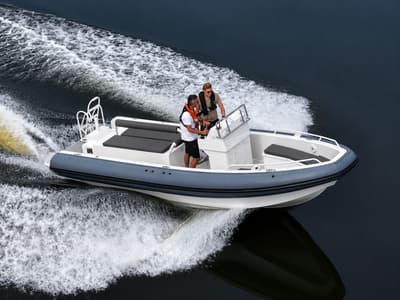
EO Workboats Alunautic 7.10 2019 – professionele superjacht tender
€ 145.000
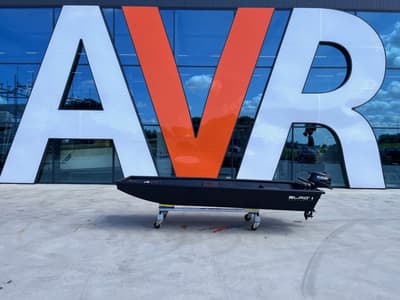
Black work boats Black Jon 400 2024 – compacte werkboot
€ 5.345
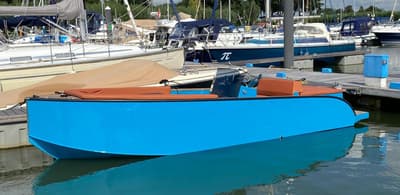
Futuro Boats ZX-20L 2023 – aluminium daycruiser met trailer
€ 69.950
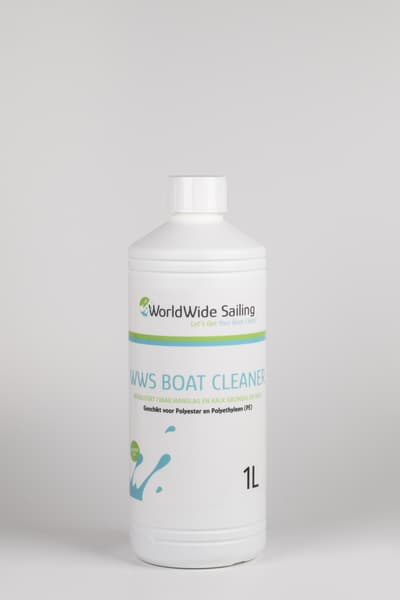
WorldWideSailing WWS Boat Cleaner 2/2: Verwijdert (Vaar)aanslag en kalk grondig en snel
€ 20
