Catamaran vs Monohull Comparison
Deciding between a monohull's classic elegance and a catamaran's modern space and stability is a key choice for boat buyers. This guide explores the differences in cost, comfort, handling, and suitability for various sailing styles.
When purchasing their dream boat via Obato.eu, prospective owners often face a fundamental dilemma: opting for the classic elegance of a monohull (single-hulled vessel) or the modern space and stability of a catamaran (multi-hulled vessel)? Both hull types offer a unique sailing experience, but the differences in cost, comfort, and handling are significant. In this article, we delve deep into the technical and practical aspects of both types to help you make the right choice.
What is a Monohull?
The monohull is the traditional design that we have known for centuries. It features a single hull with a weighted keel at the bottom. This keel acts as a counterbalance to the wind pressure in the sails (for sailboats) and prevents the boat from capsizing. In the world of motorboats, the deep V-shape of a monohull ensures it cuts through waves.
What is a Catamaran?
A catamaran has two parallel hulls connected by a deck or a 'trampoline'. Unlike the monohull, a catamaran does not rely on a heavy keel for stability, but on the width of its footprint (form stability). This type is becoming increasingly popular in both the sailing and motorboat world due to its enormous living space.
Usage and Purposes
Monohulls: For the Purist and the Adventurer
Monohulls are the first choice for sailors who love the feeling of the elements. The 'heeling' (tilting) gives a direct sense of speed and connection to the water. They are ideally suited for long voyages across open oceans, competitive regattas, and classic coastal cruising.
Catamarans: The Floating Apartment
Catamarans are ideal for families, large groups, and the charter market. Thanks to their flat deck and spacious saloon that is on the same level as the cockpit, they offer unparalleled social comfort. They are often used in shallow waters, such as the Bahamas or the Wadden Sea, due to their minimal draft.
Pros and Cons Compared
Monohull Advantages
- Maneuverability: Monohulls can turn tighter and are easier to maneuver in crowded marinas.
- Pointing upwind: Single-hulled yachts can generally sail closer to the wind than most cruising catamarans.
- Feel: The feedback through the tiller or wheel is often more refined.
Monohull Disadvantages
- Heeling: Constant tilting can be tiring for the crew.
- Space: Living space is often 'below deck' in a darker environment.
Catamaran Advantages
- Stability: Catamarans rarely heel more than 5 degrees. This significantly reduces seasickness.
- Space: A 40-foot catamaran offers almost twice as much living space as a 40-foot monohull.
- Privacy: Sleeping quarters are located in separate hulls, offering more privacy.
- Safety: Many modern catamarans are virtually unsinkable due to the materials used and compartmentalization.
Catamaran Disadvantages
- Purchase cost: Two hulls mean more building material and thus a higher price.
- Docking: Due to their width, berths are more expensive and harder to find.
Cost Considerations: Purchase and Maintenance
When searching on Obato, you will see that catamarans are on average 30% to 50% more expensive than comparable monohulls of the same length. This is not only due to material costs but also due to duplicated systems; a catamaran usually has two engines, two steering systems, and more electrical equipment.
Mooring Fees and Maintenance
Harbor masters often charge a surcharge of 50% to 100% for catamarans due to their width. Hull maintenance is also more expensive because there is simply more surface area to clean and paint. A monohull is more economical in daily use in that regard.
Comparison Table: Monohull vs Catamaran
| Feature | Monohull | Catamaran |
|---|---|---|
| Stability | Heels under sail, rolls under power | Very stable, little heel |
| Space | Compact, deeper cabins | Enormous, single-level living |
| Draft | Deep (due to the keel) | Shallow (ideal for coves) |
| Speed (Wind) | Consistent, good upwind | Very fast downwind |
| Marina Fees | Standard rate | Often 1.5x to 2x rate |
| Engines | Usually one | Almost always two |
Skill Level and Handling
A monohull requires a more active sailing style. One must consider the heel angle and the weight of the keel. Maneuvering under power in the marina can be challenging with crosswinds, although bow thrusters facilitate this.
Maneuvering a catamaran is theoretically simpler thanks to its two widely spaced engines. This allows the boat to pivot on its axis without using the rudder. However, on open water, a catamaran demands a different mindset; because the boat does not 'warn' by heeling, the skipper must closely monitor the wind gauge to prevent mast overload.
Popular Brands and Models on Obato.eu
Top Monohulls
- Bavaria C42: A modern classic. Known for its solid build and excellent value for money. Price range: €250,000 - €350,000 (new).
- Beneteau Oceanis 46.1: Elegant French design with a focus on sailing performance. Price range: €300,000 - €450,000.
- Hallberg-Rassy 40C: For the sailor who wants to conquer world oceans with maximum safety. Price range: €500,000+.
Top Catamarans
- Lagoon 42: The best-selling catamaran worldwide, loved for its enormous saloon. Price range: €450,000 - €600,000.
- Fountaine Pajot Lucia 40: A lighter, sportier catamaran with a modern interior. Price range: €380,000 - €500,000.
- Leopard 45: Known for its unique 'forward cockpit' offering direct access to the foredeck. Price range: €550,000 - €750,000.
Storage, Transport, and Resale Value
Transporting a catamaran by road is a logistical challenge and often impossible without special transport or disassembly. Monohulls are easier to load onto a trailer or truck. Catamarans also take up significantly more space on the quay for winter storage.
Regarding resale value, catamarans currently score very well. The demand for used catamarans on platforms like Obato outweighs the supply, keeping prices for second-hand models stable. Monohulls have a more predictable, linear depreciation.
Conclusion: Which boat is right for you?
The choice between a catamaran and a monohull ultimately depends on your priorities.
Choose a Monohull if:
- You enjoy sporty sailing and direct contact with the water.
- You have a more limited budget for purchase and annual mooring fees.
- You primarily sail as a couple and value maneuverability.
Choose a Catamaran if:
- Comfort and liveability are your highest priorities.
- You will be sailing with young children or people prone to seasickness.
- You spend a lot of time at anchor in shallow coves.
- You have the budget for higher operational costs.
Whether you prefer the sleek lines of a monohull or the impressive width of a catamaran, on Obato.eu you will find a wide range of both types. Start your search today and discover the boat that perfectly matches your lifestyle on the water.
Gerelateerde artikelen
Boot Mieten Bodensee: Ultieme Gids
Plan uw vaarvakantie op de Bodensee! Deze gids helpt u met vergunningen, bootkeuzes en de mooiste plekken. Vind de beste bootsverhuur.
Boot mieten Ostsee: De ultieme gids voor je vaarvakantie
Plan je perfecte vaarvakantie op de Oostzee. Deze gids helpt je met het kiezen van de boot, routes, vaarbewijzen en kosten. Start je avontuur hier!
Closing Days Loosdrecht 2026: Gids voor Proefvaren & Innovatie
Ontdek alles over de Closing Days in Loosdrecht op 26 en 27 september 2026. Een weekend vol proefvaarten, innovatie en persoonlijk advies.
Boten bij dit onderwerp

Houseboat Holiday Sun Deck 47 2026 – Aluminium catamaran 50 pers.
€ 850.000
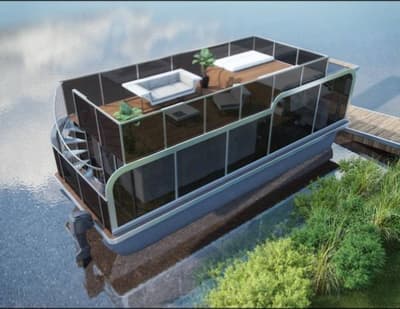
Houseboat Holiday Boat HB 39 2026 – aluminium catamaran nieuwbouw
€ 520.000
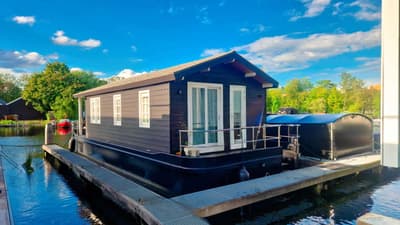
HOMESHIP VaarChalet 1250D 2023 – woonboot met monohull-romp
€ 375.000
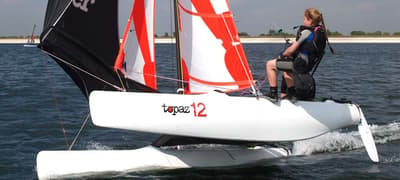
Topper Cat12 2024 – Lichte catamaran voor jonge zeilers
€ 7.995
