Buying Your Own Houseboat: Everything You Need to Know
Discover everything about buying a houseboat: from financing and moorings to regulations and maintenance. Your dream life on the water starts here!
Do you dream of a unique life on the water, away from the daily grind and city hustle? Buying a houseboat can make this dream a reality. While the term 'buy a houseboat' might seem like a niche search query, it represents a growing interest in alternative living arrangements that promise freedom and a unique lifestyle. In this comprehensive article, we delve deep into everything you need to know before taking the plunge into owning a housebarge, house-ship, or sailing houseboat.
From initial considerations like financing and finding the perfect berth to legal aspects and daily maintenance, we cover it all. As an experienced watersports enthusiast with years of experience on and around the water, I can assure you that this is an adventure that can be both challenging and immensely rewarding. With the right preparation and knowledge, you can confidently begin and successfully complete your search for a houseboat. Let's explore the waters together that lead to your new floating home.
The Appeal and Benefits of a Houseboat
Choosing a houseboat is often a choice for a lifestyle. It offers an unparalleled connection to nature, the tranquility of the water, and a sense of community rarely found in many traditional residential areas. Imagine: waking up to the sound of lapping water, enjoying the sunset on your own deck, and the constant change of scenery, even when you're stationary. These are just some of the appealing aspects that convince thousands of people annually of the charms of a houseboat.
A houseboat can also be surprisingly affordable compared to a similar land-based house, especially in urban areas where housing prices are soaring. Moreover, it offers the possibility of relocation if you own a sailing houseboat, which provides immense freedom. Think about it: your home moves with you if you decide to seek a new horizon. According to figures from the Central Bureau for Statistics (CBS), the number of people living on houseboats has increased by approximately 15% in the last ten years, highlighting its growing popularity.
Financing a Houseboat: What Are the Options?
One of the first and most crucial steps in buying a houseboat is arranging financing. This is often more complicated than financing a 'regular' house, as banks generally consider houseboats as movable property. This means traditional mortgages often do not apply. Fortunately, there are specialized financiers and shipping banks that do offer loans for houseboats.
On average, a bank requires an equity contribution of 20% to 40% of the purchase price. The term of such a loan is typically shorter than that of a mortgage, often around 15 to 20 years. Interest rates might be slightly higher, given the higher risk profile. It is essential to request various quotes and carefully compare the terms. A thorough appraisal report from a recognized appraiser is mandatory in most cases. This report provides the bank with insight into the value and condition of the houseboat, and is crucial for loan approval. We recommend you read our extended guides on financing options for more detailed information.
Finding and Securing the Ideal Mooring Spot
A houseboat without a permanent mooring is like a house without a foundation. The mooring spot is essential and can be one of the most challenging aspects of houseboat ownership. There are different types of mooring spots: public moorings, private moorings, and moorings in marinas. These can vary significantly in price and availability. Especially in urban areas like Amsterdam and Utrecht, mooring spots are scarce, and prices can be high. A mooring permit is required in almost all cases and is issued by the municipality. Without this permit, habitation is illegal.
The costs for a mooring spot can range from several hundred to thousands of euros per year, depending on the location, facilities, and size of the boat. In marinas, you often pay per meter length, and facilities such as electricity, water, and possibly internet are included. It is crucial to include the cost of the mooring spot in your total budget, as this is a recurring expense that can constitute a significant portion of your monthly outgoings. Obato is happy to help you find a suitable marina that fits your needs and your houseboat.
Legal Requirements and Insurances for Houseboats
Before you purchase a houseboat, it is vital to be aware of the applicable laws and regulations. These vary by municipality and houseboat type. An important regulation is the Spatial Planning Act, which determines where houseboats may be moored and of what type. For vessels primarily intended for navigation, the legal requirements of the RDW (Netherlands Vehicle Authority) apply, including registration if the vessel exceeds a certain length or power. For houseboats permanently moored, municipal rules regarding building regulations and environmental requirements often apply.
Adequate insurance is indispensable. Consider third-party liability insurance, hull insurance for damage to the houseboat itself, and possibly contents insurance. Premiums for these can vary, but average between €500 and €2000 per year, depending on the value and risk factors of the houseboat. According to the Watersports Association, good insurance is not only a wise investment but in many cases also a requirement of the berth holder or financing party. Failure to properly insure your houseboat can lead to significant financial risks in the event of accidents or damage.
Inspection, Maintenance, and Energy Supply
Just like a 'normal' house, a houseboat requires regular maintenance. In fact, due to constant exposure to water and weather, maintenance can be more intensive. Before purchasing, a thorough pre-purchase inspection by a marine expert is essential. This inspection should include the hull, technical installations, watertightness, and the condition of the floats. Costs for such an inspection average between €800 and €1500, but can save you much higher costs in the future.
Besides regular inspections, there is periodic maintenance, such as bi-annual cleaning and antifouling of the hull, and anode inspection to prevent corrosion. The costs for this can run up to €2000 to €5000 per time, depending on the size and type of houseboat. Energy supply is also an important point. Many houseboats are connected to the regular electricity grid, but an increasing number of owners are investing in sustainable energy sources such as solar panels. A set of 10 solar panels can quickly cost €6000 to €8000, but significantly lowers the energy bill in the long term. As a service provider on Obato, you can also offer other houseboat services like this. Consider a Service Provider Profile to offer your expertise.
Price Ranges and Additional Costs for a Houseboat
The purchase price of a houseboat can vary enormously, depending on the type, size, age, state of maintenance, and location. Simple housebarges start around €100,000, while luxurious, newly built house-ships can easily exceed €500,000. On average, a well-maintained housebarge with a reasonable mooring costs between €250,000 and €400,000. In addition, there are various additional costs you need to consider.
- Transfer tax: For the purchase of a fixed houseboat considered real estate, the regular transfer tax of 2% for homes often applies.
- Notary fees: As with a house, there are notary fees for the deed of transfer and potentially the mortgage deed.
- Brokerage fees: If you work through a buying agent, you should expect a commission of 1% to 2% of the purchase price.
- Insurance and maintenance fund: As mentioned earlier, these are significant annual cost items.
- Utility connection costs: One-time costs for connecting to water, electricity, and sewage, which can range from several hundred to several thousand euros.
A detailed budget is essential to avoid surprises and ensure your dream doesn't turn into a financial nightmare. As a service provider, you can advise future houseboat dwellers on such costs and assist them with planning. For just €60 for the first year (normally €120/year excl. VAT), you can create an AI-enhanced business profile on Obato and offer this expertise. This is an introductory discount of 50%!
Frequently Asked Questions
What is the difference between a housebarge and a house-ship?
A housebarge (woonark) is a floating object without its own propulsion, often built on a concrete pontoon, specifically designed for permanent living. A house-ship (woonschip), on the other hand, is a vessel originally intended for navigation (e.g., an inland vessel) and converted into living space. House-ships can often still sail, with or without the help of a tugboat, while a housebarge is usually not relocatable.
Do I need a boating license for a houseboat?
If your houseboat has a permanent mooring and does not navigate, you do not need a boating license. However, if you own a house-ship that is longer than 15 meters OR can sail faster than 20 km/h, a boating license (Small Boating License I or II) is mandatory, even if you rarely use it for navigation. It is best to check the specifications of your house-ship and consult the RDW guidelines.
Can I finance a houseboat with a mortgage?
In most cases, not with a traditional mortgage. Banks often consider houseboats as movable property, meaning they cannot serve as collateral for a regular mortgage. However, there are specialized financiers and shipping banks that offer 'houseboat loans' adapted to the unique characteristics of a houseboat. You can read more about this in our advice guides.
What are the most important permits for a houseboat?
The most important permit is the mooring permit, issued by the municipality where the houseboat is located. Without this permit, habitation is illegal. Additionally, 'building permits' may be required for renovations or modifications to the houseboat, depending on specific municipal regulations. For sailing house-ships, RDW registrations and inspection documents may also be mandatory.
What are the biggest disadvantages of living on a houseboat?
While there are many advantages, there are also disadvantages. The search for a suitable and affordable mooring spot can be long and frustrating, especially in popular areas. Maintenance can be more intensive and expensive than for a regular house. Financing is also more complex, and the value development of a houseboat is generally less predictable than that of a brick-and-mortar home. Practical matters such as mail delivery and waste disposal may also require special attention.
Conclusion: Your Dream Life on the Water Awaits
Buying a houseboat is a serious consideration that requires as much planning and research as buying a 'traditional' house, if not more. But the reward of a free and unique life on the water is unparalleled for many. From navigating financing options to finding the perfect mooring spot and understanding regulations, every step is crucial for a successful transition to your floating dream home.
With the right preparation and knowledge, you can confidently take the plunge. Obato is ready to support you in this process, whether you are a potential buyer seeking advice or a service provider looking for expert help. We warmly invite you to discover the possibilities on Obato. Do you have a boat you want to sell? Place an ad today and reach thousands of interested buyers. Are you a professional offering services to houseboat owners? Take advantage of our special introductory discount: for just €60 for the first year (normally €120/year excl. VAT), you can create an AI-enhanced business profile, increase your visibility, and receive direct leads. Your adventure on the water begins with Obato!
Gerelateerde artikelen
Boot Mieten Bodensee: Ultieme Gids
Plan uw vaarvakantie op de Bodensee! Deze gids helpt u met vergunningen, bootkeuzes en de mooiste plekken. Vind de beste bootsverhuur.
Boot mieten Ostsee: De ultieme gids voor je vaarvakantie
Plan je perfecte vaarvakantie op de Oostzee. Deze gids helpt je met het kiezen van de boot, routes, vaarbewijzen en kosten. Start je avontuur hier!
Closing Days Loosdrecht 2026: Gids voor Proefvaren & Innovatie
Ontdek alles over de Closing Days in Loosdrecht op 26 en 27 september 2026. Een weekend vol proefvaarten, innovatie en persoonlijk advies.
Boten bij dit onderwerp
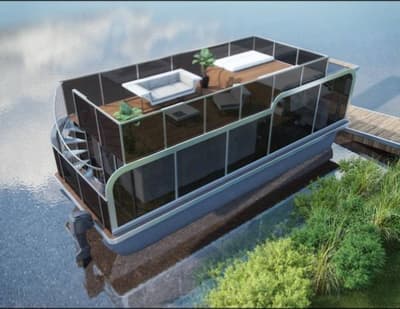
Houseboat Holiday Boat HB 39 2026 – aluminium catamaran nieuwbouw
€ 520.000

Perla E-vision 42 2025 – Aluminium elektrische houseboat
€ 247.000
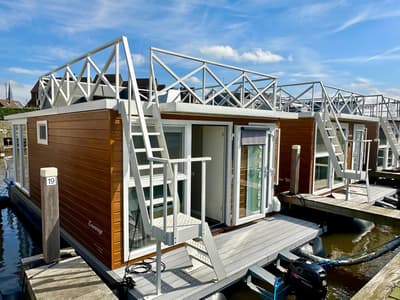
Havenlodge Melite 2022 – compleet ingerichte houseboat
€ 129.500
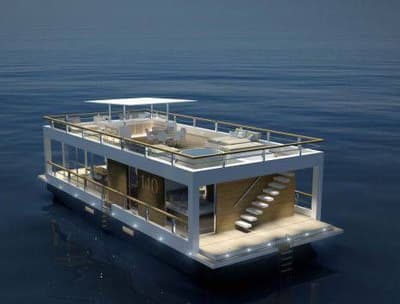
Houseboat The Yacht House 110 2026 – Nieuwbouw stalen woonboot
€ 441.400
