
Boat Winter Storage Checklist: Getting Your Boat Ready for the Season
Get your boat out of winter storage with our complete checklist. From engine start to safety check. Start your boating season stress-free!
Spring Beckons: Time to Take Your Boat Out of Winter Storage
As an experienced boater, I know few feelings compare to the first sunbeams of spring. It signals the start of a new boating season. But before you cast off, a thorough inspection is essential. Your boat has been dormant in winter storage for months and needs proper attention. Skipping this crucial preparation can lead to annoying and costly problems on the water.
This comprehensive checklist will help you systematically prepare your boat for spring. We’ll go through all important components, from the engine to the safety equipment. By following these steps, you’ll minimize the risk of breakdowns and maximize your boating enjoyment. Consider it an investment in a carefree and safe season full of wonderful moments on the water. Carefully preparing your boat is the first and most important step towards a successful boating year.
Starting the Engine After Winter: A Crucial First Step
The heart of your boat, the engine, deserves the most attention after its winter break. A successful start is the first victory of the season. Begin with the battery. If it has been on a trickle charger all winter, chances are it’s fully charged. Nevertheless, check the voltage and clean and grease the battery terminals to prevent corrosion. Poor contact can already cause starting problems.
Next, check the fuel system. Old fuel, especially gasoline, can lose its quality. Ideally, you filled the tank with fresh fuel and a stabilizer before winter. Inspect the fuel filters and the water separator filter; replace them if in doubt. This prevents dirt or water from entering the engine. Also, check the oil level and the quality of the engine oil. Spring is often the perfect time for an oil change. Finally, don't forget the cooling system: check the impeller for cracks and stiffness, and proactively replace it if it’s already a season or two old. Check all hoses for drying out or cracks. Correctly following these steps is essential for successfully starting your boat after winter.
Hull and Underside Inspection
With the boat still on land, you have the perfect opportunity to thoroughly inspect the hull and underwater hull. Walk around the boat and carefully examine the gelcoat. Look for damage, scratches, or the dreaded osmosis blisters. Minor damage can often be repaired yourself, but for larger problems or osmosis, it’s wise to consult a specialist.
An essential part of spring maintenance is the antifouling. This paint layer prevents the growth of algae and shells, which significantly affects sailing performance and fuel consumption. Is the old layer worn or damaged? Then this is the time to apply a new one. Don't forget to check the anodes. These 'sacrificial metals' protect your boat's metal parts, such as the propeller shaft and propeller, from corrosion. If they are more than half eaten away, they must be replaced. Finally, check the propeller itself for damage and test all thru-hulls and seacocks for smooth operation.
Checking Safety Equipment and Navigation Systems
Safety on board is a top priority. The winter period was a good time to review everything, but a final check before launching is indispensable. According to guidelines from authorities like the Watersportverbond (Dutch Watersports Association) and Rijkswaterstaat (Dutch Directorate-General for Public Works and Water Management), proper equipment is mandatory. Start with life jackets: are there enough for all occupants, are they still in good condition, and has the inspection date for automatic vests not expired?
Next, check the fire extinguisher(s). Pay attention to the expiration date and whether the pressure gauge is still in the green zone. The same applies to distress signals such as handheld flares and rockets; these have a strict expiration date. Ensure your first-aid kit is complete and replenished. Also, test the operation of the bilge pump, both manual and any automatic ones. A well-functioning pump can make a difference in an emergency. Finally, test all navigation lights and power on your navigation equipment to see if it gets a GPS fix and functions correctly.
Interior and Deck: Cleaning and Maintenance
After the technical checks, it's time to give your boat a fresh and habitable appearance again. Start with the deck. A winter outdoors or even in storage can lead to a green film of algae and moss. A thorough scrub with a suitable boat shampoo works wonders. If you have a teak deck, this is the time to clean it and possibly treat it with a protective agent.
Inside the boat, ventilation is key. Open all hatches and doors to dissipate the winter air and allow the boat to air out thoroughly. Check for damp spots or mold, especially in corners and lockers. This is often a sign of a leak that you need to locate and fix. Return the cushions, which you hopefully stored dry. Thoroughly clean the freshwater system by flushing the tank and lines well, possibly with a specially designed cleaning agent. Do you have a gas installation on board? Then check the gas hoses for the production date and any hairline cracks. According to HISWA advice, gas hoses should be replaced periodically.
Preparing Electrical Systems and Batteries
A reliable electrical system is crucial for both comfort and safety. If you removed the batteries from the boat during winter, now is the time to put them back. Make sure they are firmly secured and connect the terminals correctly: first the positive (+), then the negative (-). Check that the batteries are fully charged before testing any systems.
Systematically check all electrical consumers. Turn on the interior lights, navigation lights, radio, depth sounder, and other instruments to check their operation. Also, test appliances such as the water pump and refrigerator. If something isn't working, the first step is to check the fuse. Also, look at the wiring and contact points; corrosion can cause a poor connection. A little contact spray can work wonders here. A well-maintained electrical system not only prevents inconvenience but also reduces the risk of dangerous situations like short circuits.
Organizing Documents and Administration
An often-overlooked but very important step in preparing your boat for the season is checking your administration. Ensure all necessary documents are on board and valid. For fast motorboats, a registration certificate is mandatory; the precise rules can be found at the RDW (Dutch Vehicle Authority). Also, check if your insurance policy is still valid and if the coverage still suits your plans for the upcoming season.
Depending on the boat and the cruising area, a boating license may be required. The CBR (Dutch Driving Test Organisation) provides clarity on this. Make sure you have this document with you if needed. For certain cruising areas, such as Amsterdam or some nature reserves, you may need a vignette or permit. Check this well in advance to avoid fines. It's a good idea to make copies of the most important documents and store them separately from the originals. Good administrative preparation ensures a relaxed feeling once you're on the water.
Frequently Asked Questions
When is the best time to take my boat out of winter storage?
Most boaters take their boats out of storage between late March and early May. The most important thing is that the risk of severe night frost has passed, especially if you have already filled the cooling system with water instead of antifreeze. Keep a close eye on the weather forecast before planning your launch.
My boat won't start after winter, now what?
First, check the most common causes. Is the battery fully charged and are the terminals clean? Is the kill switch in place? Is the fuel tap open and is there enough fresh fuel in the tank? If these basics are in order and the engine still doesn't start, the problem may be more complex (ignition, fuel filter, etc.), and it is advisable to call a mechanic.
Do I need to replace antifouling every year?
This depends on the type of antifouling and the conditions. Self-polishing antifouling wears down during the season and usually needs to be applied annually. Hard antifouling can sometimes last for several seasons but loses effectiveness. A good inspection of the layer in spring will provide clarity. A new coat is recommended if you see many bare spots.
How do I clean my freshwater system after winter?
To prevent bacterial growth, it is essential to thoroughly clean your freshwater system. Fill the tank with clean water and add a specially designed cleaning agent (follow the instructions on the packaging). Then open all taps (hot and cold) until you smell the agent and let it work for a few hours. Afterward, thoroughly flush the entire system with clean water until all odor and taste have disappeared.
What are the most important safety items to check?
The absolute priorities are: life jackets (quantity and condition), a certified fire extinguisher, the operation of the bilge pump, and navigation lights. Also, check the expiration date of any distress signals. According to the KNRM (Royal Netherlands Sea Rescue Institution) and Watersportverbond, these are the basic items that can save lives in an emergency.
Conclusion: Ready for a Wonderful Boating Season
Systematically following this checklist is the best guarantee for a carefree start to the boating season. By taking the time for inspection and maintenance, you invest in your own safety and enjoyment. From the engine to the documents, every component deserves your attention after the long winter downtime. This way, you can confidently take to the water and fully enjoy every boat trip.
After all the hard work, are you ready for a new adventure, or perhaps even a new boat? Check out our selection at Obato and find your dream boat. For more useful tips and in-depth information, you can always visit our advice & guides. And if you're considering selling your current boat to make room for something new, you can easily and quickly place an ad with us. Obato wishes you a fantastic and safe boating season!
Gerelateerde artikelen
Vaarbewijs nodig? De Complete Gids voor Nederland
Twijfel je of je een vaarbewijs nodig hebt? Lees alles over lengte, snelheid, Klein Vaarbewijs 1 en 2, en voorkom hoge boetes op het water.
Location Bateau Côte d'Azur: Uw Gids voor Bootverhuur
Ontdek de Côte d'Azur vanaf het water! Onze complete gids voor bootverhuur ('location bateau') in Nice, Cannes en meer. Vind uw droomboot vandaag.
Boot Mieten Bodensee: Ultieme Gids
Plan uw vaarvakantie op de Bodensee! Deze gids helpt u met vergunningen, bootkeuzes en de mooiste plekken. Vind de beste bootsverhuur.
Boten bij dit onderwerp
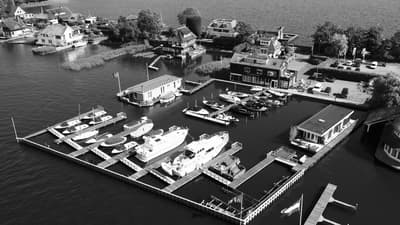
WINTERSTALLING WATER LOOSDRECHT
Prijs op aanvraag
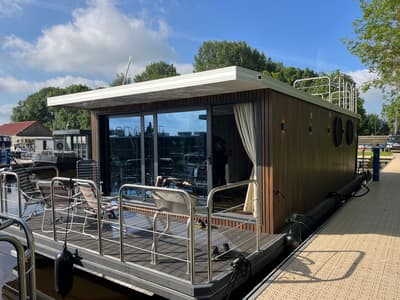
Nordic Season NS 43 Eco 2026 – duurzame houseboat 45m² woonruimte
€ 133.190
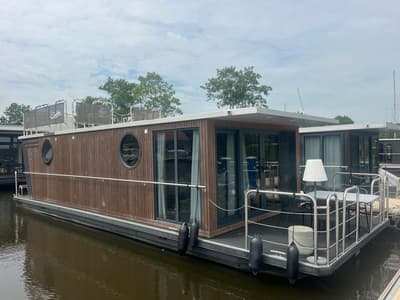
Nordic Season NS 40 Eco 2023 – houseboat met vaste ligplaats
€ 139.500
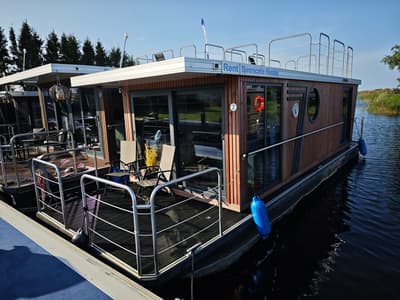
Nordic Season NS 36 Eco 23 Houseboat 2025 – demo met korting
€ 108.267
