Beneteau vs Hanse - In-depth Comparison
Discover the key differences between Beneteau and Hanse sailing yachts in our in-depth comparison. Learn about their build quality, sailing characteristics, popular models, and resale value to help you choose the best yacht for your needs, available on Obato.eu.
When choosing a new or used sailing yacht in the European market, two names consistently emerge: Beneteau and Hanse. Both brands dominate marinas from the Mediterranean to the Baltic Sea, but they cater to different sailing philosophies. Beneteau, the French giant with a rich history, is known for its innovative designs and versatility. Hanse Yachts, the German challenger, has built its reputation on the 'Easy Sailing' concept: speed combined with extreme ease of use.
In this in-depth comparison on Obato.eu, we analyze the build quality, sailing performance, pricing, and resale value of these two top brands, helping you make an informed decision for your next investment.
History and Reputation: French Tradition vs. German Gründlichkeit
Beneteau: Over a Century of Maritime History
Beneteau was founded in 1884 by Benjamin Bénéteau in Croix-de-Vie, France. Originally, the shipyard built wooden fishing boats, but in the 1960s, the company revolutionized the market with the use of fiberglass (GRP). Today, the Beneteau Group is the world's largest recreational boat builder. The brand is known for its ability to make high-end design accessible to the general public, partly through collaborations with renowned design firms such as Nauta Design and Finot-Conq.
Hanse Yachts: The Rise of the Innovator
Compared to Beneteau, Hanse Yachts is a relative newcomer. Founded in 1990 in Greifswald, Germany, by Michael Schmidt, the shipyard rapidly grew into a serious competitor. Hanse brought a fresh wind to the conservative sailing world by focusing on modern design and simplifying sailing maneuvers. The close collaboration with Judel/Vrolijk & co – the designers behind many America's Cup winners – has earned Hanse a reputation for fast, stiff hulls with a minimalist aesthetic.
Build Quality and Materials
While both brands utilize modern mass production techniques, there are clear differences in construction and finish.
Beneteau Construction
Beneteau frequently uses an inner liner (grid system) that is glued into the hull. This ensures efficient production and a sleek interior finish. Decks are often manufactured using the injection method, resulting in a lighter and stronger structure with a smooth finish on both sides. The interiors of the modern Oceanis line use Alpi veneer, which provides consistency in color and texture but is sometimes perceived as 'less artisanal' by purists.
Hanse Construction
Hanse is known for using vinylester resins in their standard models, which offers better resistance to osmosis than the standard polyester resin often used in mass production. A characteristic aspect of Hanse is the structural connection between the hull and the main bulkhead, which enhances the stiffness of the vessel. A Hanse interior often feels more spacious and 'lofty' due to its clean lines and the use of many white surfaces combined with dark wood.
Popular Models and Specifications
To get a good idea of what these brands offer, we look at the most popular models in the 40-foot class and the larger cruising segments. On Obato, you will regularly find deals on these specific models.
Beneteau Oceanis 40.1 vs. Hanse 418
The Oceanis 40.1 is a masterpiece of space optimization. Thanks to its 'tulip' hull (a wide hull above the waterline), this yacht offers an interior volume typically found in 45-footers. It's the ultimate family cruiser.
The Hanse 418 focuses more on the sailing experience. With a taller mast and the characteristic self-tacking jib, this vessel can be operated single-handedly, while delivering excellent upwind performance.
| Feature | Beneteau Oceanis 40.1 | Hanse 418 |
|---|---|---|
| Length Overall (LOA) | 12.87 m | 12.40 m |
| Beam | 4.18 m | 4.17 m |
| Displacement | 7.985 kg | 9.800 kg |
| Sail Area (Mainsail + Jib) | approx. 76 m² | approx. 87 m² |
| Designer | Marc Lombard | Judel/Vrolijk & co |
The Flagships: Oceanis Yacht 54 vs. Hanse 588
For those seeking luxury and long-distance cruising, both brands offer impressive options. The Beneteau Oceanis Yacht 54 stands out with its 'cockpit lounge' and extremely wide side decks. The Hanse 588, on the other hand, offers an impressive 'Silent Master Cabin' and an optional dinghy garage, which is unique in this segment.
Sailing Characteristics: Cruising vs. Performance
Beneteau: Versatility
Beneteau offers something for everyone. The Oceanis line is stable and comfortable, ideal for charter and family vacations. The First series, however, is aimed at serious racers and fast cruisers, with lighter materials and more trim options. The helm balance on an Oceanis is predictable and forgiving, making it a favorite for holiday sailors.
Hanse: Easy Sailing Philosophy
The most iconic feature of a Hanse is the self-tacking jib. This means you can tack without touching a sheet; you simply turn the wheel. All lines are led aft to the helmsman, making single-handed sailing on a 50-footer a reality. Hanse yachts often have a higher ballast ratio and a deeper keel, which makes them more stable in strong winds, although they might struggle slightly in light air due to their weight.
Pricing in the European Market
Beneteau and Hanse prices are often very close, as both benefit from economies of scale in production. In the used market on Obato, we see the following trends:
- New Price: Beneteau often has a lower entry price for the basic version, but the options list can quickly drive up the cost. Hanse employs a similar strategy, where luxury packages are essential for resale value.
- Used Market: A 10-year-old Beneteau Oceanis 37 currently costs between €85,000 and €115,000, depending on its condition. A comparable Hanse 370 or 375 is often in the same price range, but the Hanse sometimes holds its value slightly better in Northern Europe due to perceived build quality.
Pros and Cons
Beneteau
Pros:
- Largest service network in the world; parts are available everywhere.
- Innovative interior layouts with abundant natural light.
- Wide choice of models (Oceanis, First, Figaro).
Cons:
- Interior finish can feel somewhat 'plasticky' in some areas.
- Standard sails are often basic quality and require replacement with intensive use.
Hanse
Pros:
- Superior ease of use thanks to self-tacking jib and centralized controls.
- Sleek and modern exterior design that ages well.
- Often equipped with high-quality components such as Lewmar winches and Elvstrøm sails.
Cons:
- The self-tacking jib is smaller than a genoa, limiting performance in light air (downwind) without additional sails like a Gennaker.
- Deep keels can pose limitations in shallow waterways such as the Wadden Sea.
Resale Value: Which boat retains its value?
In the boating world, depreciation is a significant factor. Beneteau has a huge market; because there are so many of them, there is always demand, but also a lot of supply. This keeps prices stable but not exceptionally high. Hanse yachts have a strong position in the private market (less dominant in charter than Beneteau), which often leads to very good resale value, especially for well-maintained owner versions with three cabins.
Best Use Cases
Choose Beneteau if you:
- Are looking for the ultimate family boat with ample living space and comfort.
- Often sail in warm climates (excellent ventilation and cooling systems).
- Value safety and a global network of dealers.
Choose Hanse if you:
- Often sail alone or with a small crew (e.g., partner).
- Love a modern, minimalist 'loft-style' interior.
- Prioritize upwind performance and hull stiffness.
Conclusion: Which one should you buy on Obato?
The battle between Beneteau and Hanse has no single winner, but there is a clear winner for each type of sailor. Beneteau wins in terms of innovative use of space and versatility. The brand feels warmer and more inviting for the holiday sailor who prioritizes comfort above all else.
Hanse is the clear choice for the sailor who enjoys a technical boat that is easy to handle without sacrificing speed. The 'Easy Sailing' philosophy is not just a marketing term; it truly changes the way you sail.
Whether you choose the French elegance of the Oceanis line or the German efficiency of a Hanse, on Obato.eu you will find a comprehensive selection of both top brands. Browse our current listings of new and used Beneteau and Hanse yachts and find the vessel that perfectly matches your dreams on the water.
Gerelateerde artikelen
Boot winterklaar maken in 10 stappen
Leer hoe u uw boot winterklaar maakt in 10 stappen. Van motor conserveren tot antifouling, bescherm uw investering tegen de vrieskou.
Zeilboot onderhoud voor beginners: Een complete gids
Leer als beginnende zeiler hoe je je boot in topconditie houdt. Van antifouling tot tuigage onderhoud, onze gids helpt je op weg. Start vandaag nog!
Boot Mieten Kroatië: De Ultieme Gids
Plan jouw droomvakantie! Ontdek alles over een boot huren in Kroatië: vaarbewijs, kosten, gebieden en de beste boten. Lees onze expert gids nu.
Boten bij dit onderwerp
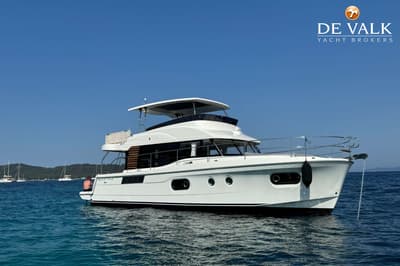
Beneteau Swift Trawler 48 (2024) – comfortabel motorjacht kopen
€ 869.000
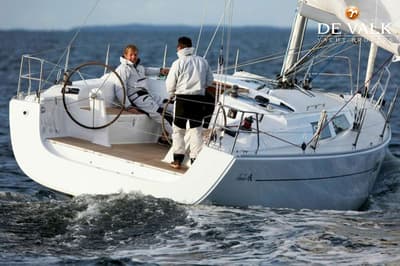
Hanse 400e 2009 – Turnkey cruiser, grote refit 2024–25
€ 120.000
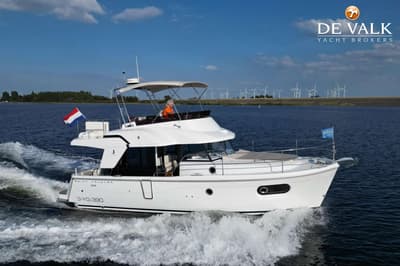
Beneteau Swift Trawler 35 (2019) – zeewaardig motorjacht
€ 285.000
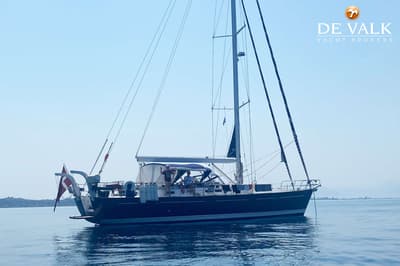
Beneteau 57 2003 – Farr-design offshore cruiser
€ 279.500
Meer over dit onderwerp
Bavaria vs Beneteau - Vergelijking
Jeanneau vs Hanse - Vergelijking
Beneteau: Uw Gids voor het Kopen, Bezitten en Onderhouden van een Iconische Boot
Ontdek de wereld van Beneteau bij Obato. Deze uitgebreide gids helpt u bij de aankoop, het onderhoud en de waarde van uw Beneteau boot. Van zeiljachten tot motorboten, vind hier alle essentiële informatie.
